
The 24-Hour Clinical Picture
Thomas Tredinnick, CEO and Co-Founder of Ally Cares, reflects on how Azalea Court has demonstrated that the greatest value of resident monitoring isn’t simply what happens overnight, but how overnight insight can help multidisciplinary teams build a 24-hour clinical picture and make better clinical decisions the following day.
Every now and again, I visit a care home that makes me rethink one of my own assumptions. Azalea Court was one of those homes. I arrived expecting to talk about safer nights, fewer falls and better sleep because they’re the outcomes we naturally associate with resident monitoring. Instead, I came away thinking about something completely different. What impressed me most wasn’t what the technology was helping the team achieve overnight, but how it had become part of the way they made clinical decisions the following day. It made me realise that perhaps we’ve been judging resident monitoring by the wrong measure all along.
When we talk about resident monitoring, we almost always begin with the night. We measure reductions in falls, fewer unnecessary bedroom checks and the confidence that comes from knowing staff will be alerted when somebody genuinely needs assistance. Those outcomes are important because they improve residents’ safety, dignity and sleep, but they also risk defining resident monitoring too narrowly. The more time I’ve spent with providers who have embedded our technology successfully, the more convinced I’ve become that its greatest value isn’t what happens while residents are asleep. Its greatest value lies in what happens when the multidisciplinary team sits down the following morning to decide what happens next.
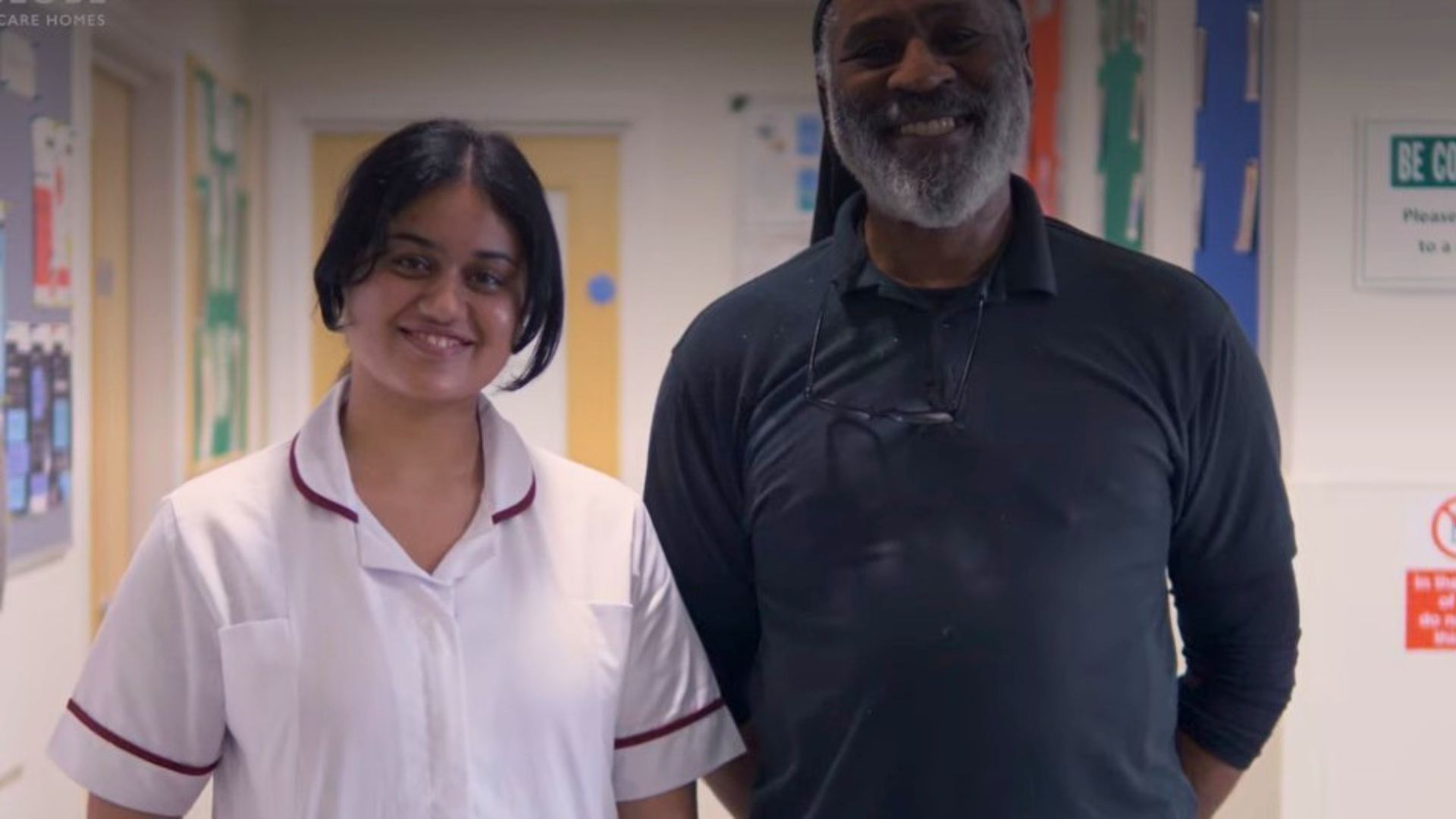
That became very clear during my visit to Azalea Court. Julie Burton talked me through the home’s monthly multidisciplinary meetings where nurses, carers, physiotherapists, occupational therapists and a nutrition specialist review residents using information from Nourish’s care planning system alongside overnight insight from Ally’s resident monitoring system. What struck me wasn’t the technology itself. It was how naturally overnight information had become another piece of clinical evidence, sitting alongside care records, professional observations and the experience of the team. The discussion wasn’t centred on alerts from the previous night. It was centred on understanding the whole person and making better decisions because everyone around the table had a more complete picture of the previous twenty-four hours.
It made me realise that, for many years, we’ve accepted a significant gap in our understanding of residents’ lives. We know a great deal about what happens during the day because that’s when people receive personal care, spend time with others, attend activities, eat their meals and interact with staff. Overnight has always been different. Unless somebody called for help, experienced an obvious incident or happened to be awake when a member of staff entered the room, much of what happened between evening handover and breakfast simply disappeared. We filled those gaps with professional judgement and experience, which care teams have in abundance, but they were still gaps nevertheless.
Azalea Court has demonstrated that those missing hours don’t have to remain invisible and, more importantly, that they shouldn’t simply become information for the night team. They should become information for everyone involved in caring for that resident because the decisions made during the day are only ever as good as the information available to the people making them.
That way of thinking changes almost every clinical conversation. A resident whose appetite has gradually declined is no longer viewed purely through the lens of nutrition because the team can also see whether poor sleep, repeated overnight activity or increasing restlessness may have contributed to that change. Rehabilitation is no longer assessed solely through what happens during a physiotherapy session because overnight mobility helps build a clearer understanding of confidence, recovery and fatigue between appointments. Medication reviews become richer because clinicians can understand how residents respond throughout the night rather than relying entirely on observations made during the day. Even those occasions when an experienced carer says, “They’re just not themselves today,” become more meaningful because overnight patterns often provide the context that explains why those subtle changes have been noticed.
One example Julie shared particularly stayed with me. The team reviewed the timing of antipsychotic medication after looking at residents’ overnight patterns alongside their daytime presentation. The decision to change when medication was administered wasn’t made because technology suggested it. It was made because better information allowed experienced professionals to ask better questions and challenge an established routine. That simple distinction is important because technology should never replace clinical judgement. Its role is to strengthen it.
The same principle applies when recognising deterioration. Older people rarely become acutely unwell without smaller changes appearing first. Sleep becomes more fragmented, mobility changes, bathroom visits become more frequent, coughing increases or normal routines begin to alter. Viewed in isolation, those changes can seem insignificant, but viewed together over several nights they often tell a very different story. Care teams have always been good at recognising when something doesn’t feel right. What they haven’t always had is objective evidence that helps them identify patterns earlier and intervene before those changes become crises.
Listening to Julie describe the way Azalea Court works also made me think differently about multidisciplinary care. We often talk about joined-up working as though it is created by putting more professionals around the same table, but collaboration is only as effective as the information being shared. When everyone is discussing the same resident using the same twenty-four-hour picture, conversations become less about reconstructing events from memory and more about deciding what should happen next. That benefits not only the resident, but also GPs, commissioners and wider healthcare professionals because decisions can be supported by evidence rather than hindsight.
I suspect this is where resident monitoring will evolve over the next few years. Better nights will always matter because nobody would argue against fewer falls, better sleep or more appropriate interventions, but those outcomes should increasingly be seen as the starting point rather than the destination. The homes that achieve the greatest improvements won’t necessarily be those with the most technology. They’ll be the ones that use better information to improve everyday decision-making across the whole organisation.
That, for me, is the real lesson from Azalea Court. The technology has undoubtedly transformed the way the home supports residents overnight, but its greatest contribution has been helping the team build what I think of as a twenty-four-hour clinical picture. Instead of making decisions based on isolated observations, they are making decisions based on a fuller understanding of each resident’s health, routines and wellbeing. It is a subtle shift in thinking, yet one that has the potential to influence nutrition, medication, rehabilitation, the early recognition of deterioration and the confidence with which multidisciplinary teams care for increasingly complex residents.
For too long, we’ve judged resident monitoring by what it helps us do overnight. Perhaps it’s time we started judging it by the quality of the decisions it helps us make the following day, because what happens between checks matters far more than the checks themselves.
Discover how leading care providers are using the 24-hour clinical picture to strengthen multidisciplinary decision-making, recognise deterioration earlier and improve resident outcomes. Speak to the Ally team to learn how overnight insight can support better clinical decisions in your own care home.
Related articles: