
Small tech shifts. Better nights. Clearer outcomes.
By Thomas Tredinnick, CEO & Co-Founder, Ally Cares
Change in care doesn’t have to start with something big.
More often than not, it begins with a small, simple step, the kind that shifts how a home feels as much as how it runs.
The power of small changes
When I visit care homes, I often hear the same thing:
“We’ve always done it this way.”
Hourly checks, doors opening and closing, lights flicking on through the night. All done with the right intentions, but sometimes those well-meant routines end up doing the opposite of what we want. They break sleep. They unsettle people. And they exhaust the staff who are trying to keep everyone safe.
What we’ve seen through Ally is that if you swap that noise and interruption for quiet, intelligent observation — listening instead of entering — everything changes.
At The Lawns, part of Heritage Manor, Manager Mel Dawson put it better than I ever could:
“It feels like sleep.”
The corridors are calm, residents rest longer, and staff respond only when they’re needed. One small operational change, but a huge shift in the atmosphere of the home.
Why small changes matter
When we looked at the data in The Sleep Gap whitepaper we produced with Care England, one thing really stood out: Most residents aren’t getting anywhere near enough sleep. On average, fewer than five hours of uninterrupted rest a night.
And that lost sleep doesn’t just make people tired. You see it the next day as interrupted sleep is linked to more falls, more confusion, more medication changes, more distress.
When homes start protecting sleep, everything else starts to improve. Across the homes using Ally, we’ve seen falls drop by 63%, hospital visits by 56%, and residents’ sleep quality improve by around 50%. Carers also get back around 30% more time to focus on the things that matter.
None of that came from big, sweeping change. It came from the little things, closing fewer doors, doing fewer unnecessary checks, and listening more carefully. One corridor at a time, one decision at a time.
From guesswork to insight
Technology only helps if it gives you something useful to act on.
At Wren Hall Nursing Home, Managing Director Anita Astle MBE said something that’s stuck with me:
“The data helps us understand residents on a completely different level. We can see when someone’s pattern changes, often before anyone realises something’s wrong.”
That’s the real value of this kind of technology. It doesn’t replace staff. It gives them better sight.
When a resident starts waking more often, it might be pain, anxiety, or the early signs of infection. Having that visibility means action comes earlier, often before it becomes a hospital admission.
Once staff see how calmer nights lead to calmer days, the change takes care of itself.
That’s what insight should do: make good practice easier.
Reducing routine, not care
At Oaklands Rest Home, Director Samir Patel told me:
“Residents are calmer, staff are calmer, and we’re catching things sooner. That alone reduces agitation and the need for extra meds.”
By replacing routine checks with need-based alerts, his team freed up time, reduced stress, and improved the experience for everyone.
The tech didn’t add to their workload, it took away the unnecessary bits that got in the way of care.
And at Azalea Court, Head of Operations Julie Burton saw how small lifestyle tweaks made a big difference alongside the technology.
“We changed mealtimes to make the evening meal lighter and introduced a late supper. You could see residents settling better and sleeping longer.”
Those changes didn’t cost a penny, just a rethink of routines.
Small environmental and nutritional adjustments, paired with better night-time insight, created a calmer rhythm throughout the home.
That’s the heart of micro change: one less interruption, one more hour of rest, one calmer shift.
Start small, learn fast
Not every home needs to dive in all at once. In fact, the best results I’ve seen have started small and grown naturally.
At Charnwood Country Residence, Registered Manager Lindsay Hagley began by introducing Ally in a single wing, observing how residents’ patterns changed when routine disturbance was reduced.
Very quickly, the team saw how small shifts could make a big difference:
“We’ve changed our routine checks from two-hourly to four-hourly because we’ve got Ally in place. Residents are sleeping for longer because we’re not disturbing them unnecessarily.”
That early evidence gave the team confidence to expand it across the home.
Those early insights gave the team confidence to roll Ally out across the home, using the data to update night plans, understand health changes sooner, and support staff with transparency rather than blame.
That’s how digital change should happen, small, evidence-led, and shaped by the people who use it every day.
The Real ROI
People often ask me about return on investment. Yes, the numbers stack up, fewer incidents, reduced agency costs, better occupancy. But the real return is human.
When residents sleep well, they’re more alert, more engaged, and happier.
Staff finish their shifts less drained. Families notice the calm.
That peace, that quiet confidence, is worth more than any spreadsheet.
Every extra hour of uninterrupted sleep is an hour of healing, safety and dignity.
Our job is to protect that, not disturb it.
Five small steps you can take right now
If you’re thinking about improving night-time care but are concerned about making wholesale change, start here:
- Pilot first. Try AI Ally resident monitoring solution in one wing or unit.
- Measure one thing. Focus on uninterrupted sleep; the rest will follow.
- Share insight openly. Use data to learn together, not to police performance.
- Swap routine for response. Check when needed, not because the policy says so.
- Reflect weekly. Ask: What made last night calmer? What did we learn?
That’s how small steps build a new culture.
Quiet technology, visible impact
The best technology in care isn’t loud or complicated.
You don’t notice it working, you notice the change it makes:
the quieter corridors, the calmer mornings, the residents who finally sleep through the night.
That’s what this is all about.
Not big projects or buzzwords. Just small, thoughtful improvements that give people back their peace.
Every transformation starts small.
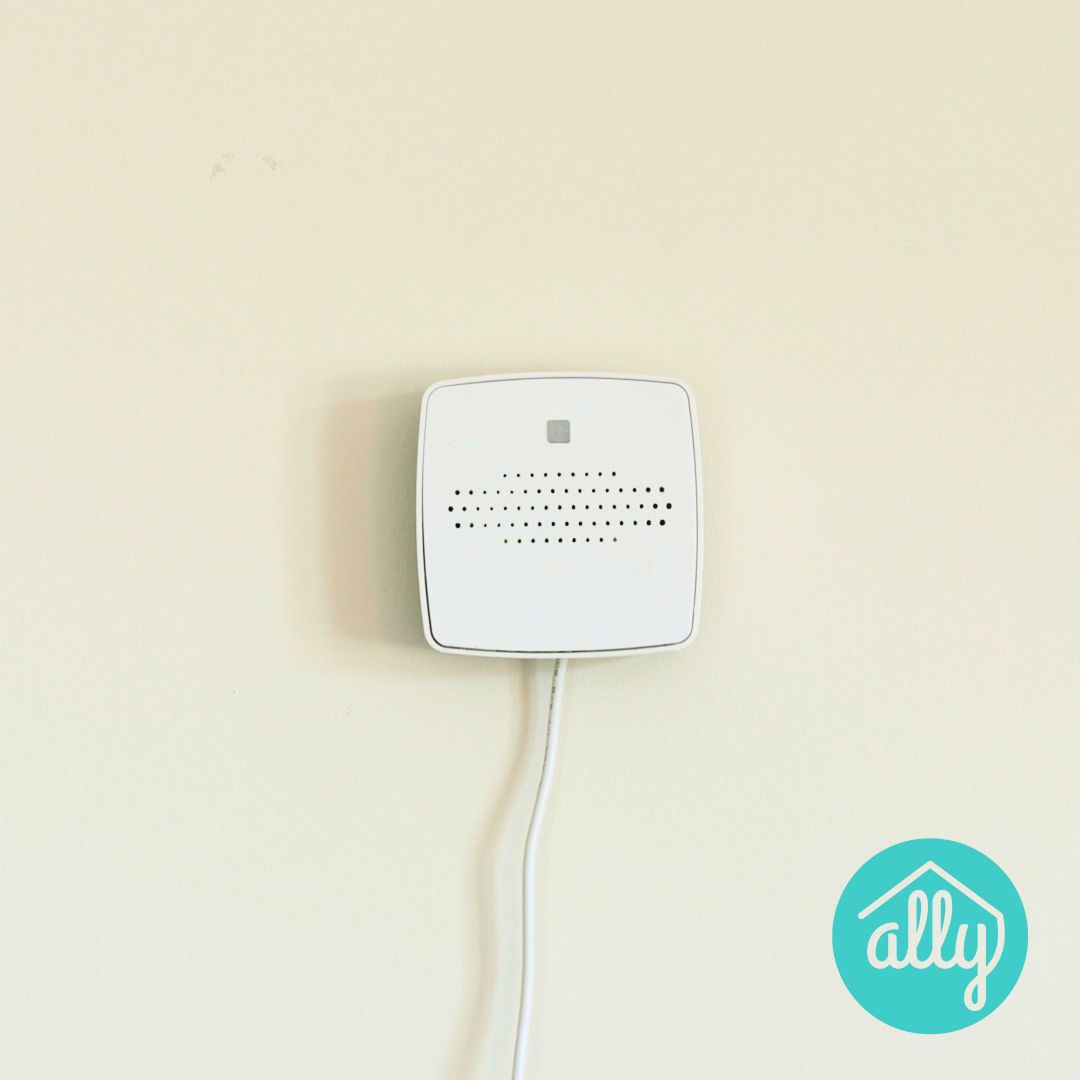
One sensor, one quieter corridor, one calmer night, that’s how change begins.
Talk to Ally Cares about how small technology shifts can make a big difference for your residents and your team. Get in touch with us today.