
The difference between data and understanding
New techUK white paper highlights why better outcomes depend on more than digital transformation.
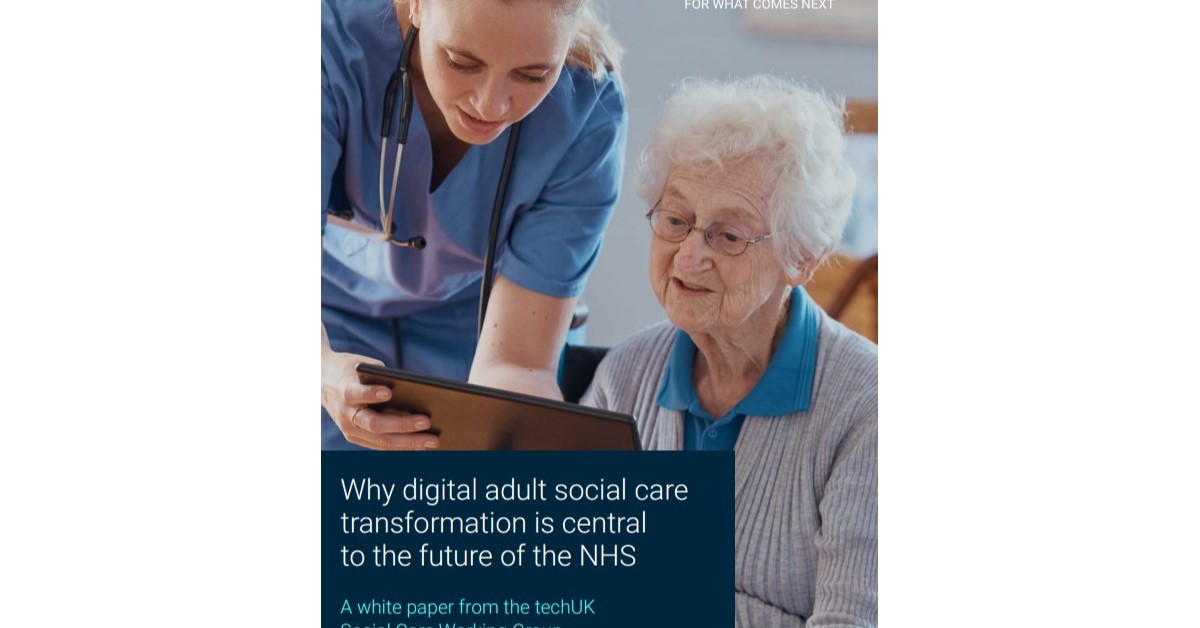
The publication of the new techUK white paper, Why Digital Adult Social Care Transformation is Central to the Future of the NHS, comes at an important time for the sector. As health and social care systems continue to focus on prevention, neighbourhood care and reducing avoidable demand on the NHS, the report makes a compelling case that adult social care is no longer simply supporting these ambitions, it is fundamental to achieving them.
Ally Cares is proud to have contributed a case study to the white paper, demonstrating how AI-enabled resident monitoring is helping providers gain greater visibility into residents’ overnight experiences, enabling earlier intervention, more personalised care and better outcomes.
Many of these themes were explored further during the recent techUK CareTech Conference, where Thomas Tredinnick, CEO and Co-Founder of Ally Cares, joined the panel discussion: Neighbourhood Care in Practice: Coordinating Better Outcomes for Citizens.
One message came through particularly strongly. The challenge facing adult social care is not a lack of data, but turning that data into understanding.
Every day, care providers record observations, update care plans, review medication and respond to changing resident needs. Yet some of the most valuable information has historically remained hidden, particularly during the hours when residents are alone in their rooms and changes in sleep, movement or behaviour can easily go unnoticed.
When those missing pieces are added to the wider picture, providers stop simply responding to incidents and start recognising patterns. Rather than asking, “What happened?”, they begin asking, “What has changed?”
Having a more complete picture allows providers to develop a hypothesis about why a resident’s condition may be changing, introduce an intervention and then measure whether it has made a difference. Whether that involves reviewing medication, adjusting nutrition, changing routines or introducing earlier clinical support, decisions become based on evidence rather than assumption.
That process of understanding, testing and measuring was a recurring theme throughout the discussion because it provides a practical framework for continuous improvement rather than relying on hindsight.
The panel also explored why technology remains one of the most underappreciated resources within adult social care. Its greatest value is not simply generating more information, but helping providers understand residents more completely, identify opportunities for earlier intervention and demonstrate the impact of the care they deliver.
That evidence has value far beyond the care home itself. Sharing measurable improvements with residents, families, staff, commissioners and local authorities builds confidence, strengthens relationships and helps spread good practice across the sector.
Creating truly coordinated models of care also requires every stakeholder to see value. Residents want better quality of life. Families want reassurance. Care providers need practical solutions that support staff and improve care. Commissioners need measurable outcomes, while health services are looking to reduce avoidable admissions and intervene earlier. The most successful approaches are those that help achieve all of those goals rather than solving a problem for just one part of the system.
The techUK white paper reinforces what many providers are already demonstrating in practice. Better outcomes begin with better understanding, giving care teams the confidence to recognise change earlier, make informed decisions and continually improve the care they provide.
Find out more
The principles outlined in the techUK white paper are already helping providers across the UK deliver more proactive, personalised care.
You can download the techUK whitepaper here.
If you’d like to explore how AI-enabled resident monitoring is helping care teams recognise change earlier, improve resident outcomes and demonstrate measurable impact, we’d be delighted to share what organisations are achieving with Ally.
Speak to the Ally team on 0203 026 4506 or schedule a meeting to learn more.