
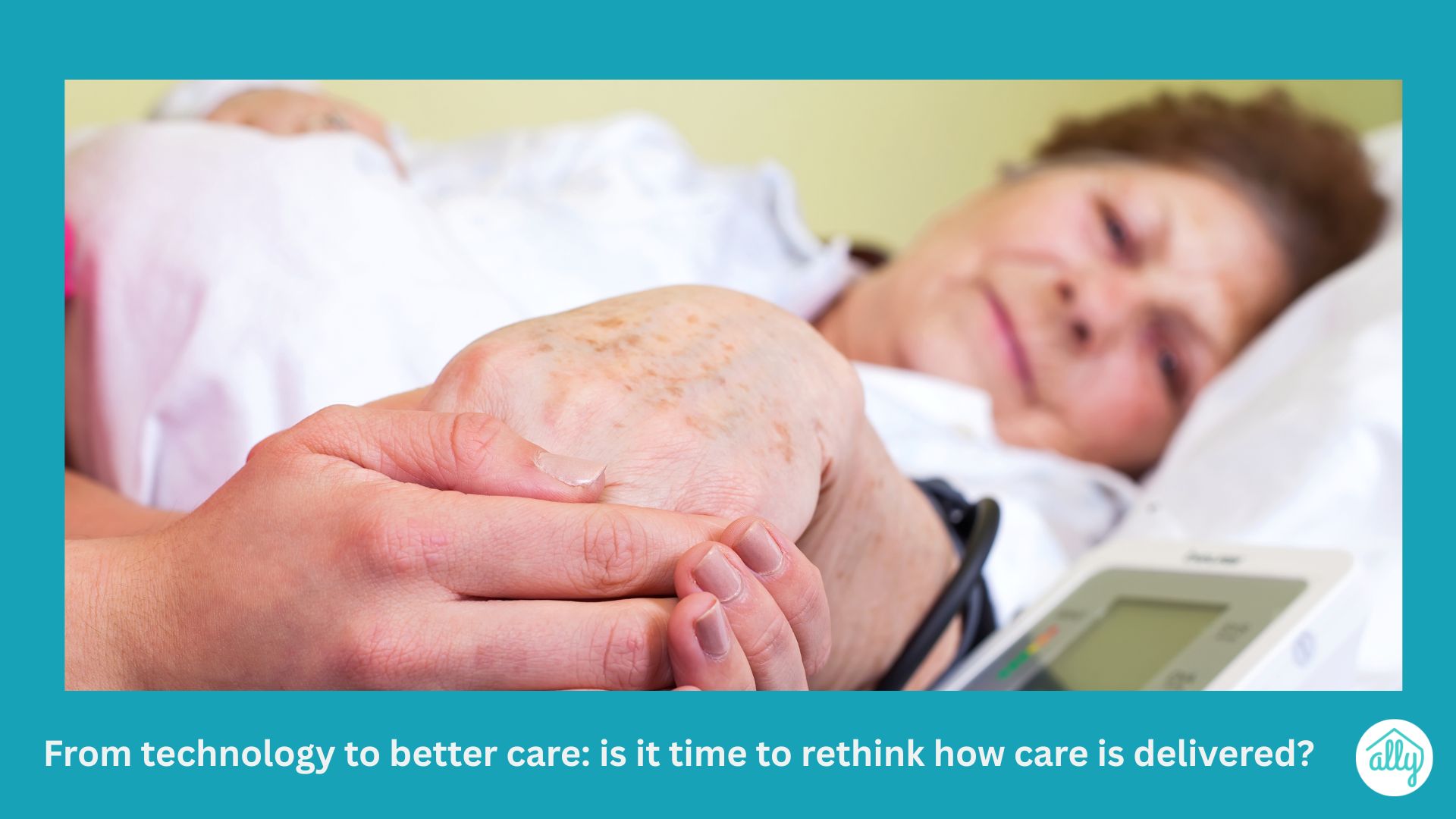
From technology to better care: is it time to rethink how care is delivered?
Care homes put considerable thought into what support residents need, from medication and mobility assistance to personal care and managing complex health conditions. Yet the timing and delivery of that support can be just as important to a resident’s comfort, safety and wellbeing.
Established routines help care teams maintain standards and coordinate care, but residents’ needs don’t always follow predictable patterns. Someone may need regular repositioning but also benefit from uninterrupted sleep, while another resident may require additional support at a particular time of night that wasn’t previously recognised.
Through our work with care homes, we’ve seen how advanced resident monitoring can help teams understand these differences and make practical changes to the way care is delivered.
Could the timing of care make as much difference as the intervention itself?
At The Grange Nursing Home, a resident with pressure sores needed regular repositioning to protect her skin. Although the intervention was essential, the team wanted to avoid disturbing her sleep unnecessarily.
Using Ally, they could identify when she was naturally awake and take those periods into account when providing support.
Home Manager Venice Joy Bautista explained:
“We admitted a resident with pressure sores who needed regular repositioning. With Ally, we could see when she was awake and reposition her then, instead of waking her unnecessarily.”
The team hadn’t changed the resident’s underlying care needs, but they had found a way to make an important intervention less disruptive.
It’s an example of how person-centred care technology can support decisions that consider the resident’s wider experience, rather than focusing exclusively on completing an individual task.
What happens when a familiar routine creates an unexpected risk?
At Briarscroft Residential Home, part of Sanctuary Care, an incident during the first night of using Ally prompted the team to reconsider how one resident was supported.
The resident had been woken for early morning medication and subsequently fell. Reviewing the monitoring information helped the team understand that he needed additional assistance getting to the toilet when disturbed.
Hayley Norman explained:
“On our very first night with Ally, a resident fell after being woken for early morning medication. By reviewing the data, we realised he needed extra support to get to the toilet when disturbed. We adjusted our practice, and he hasn’t fallen since.”
Rather than treating the incident as an isolated fall, the team could understand the circumstances surrounding it and identify a practical change to reduce the risk of it happening again.
This highlights an important opportunity for care homes. Understanding what happens immediately before an incident can be just as valuable as knowing that the incident occurred, particularly when it reveals something about how a resident responds to an established routine.
Can a change in behaviour lead to a change in care?
At Azalea Court, a specialist nursing and dementia care home supporting residents with complex needs, the team was trying to understand why one resident regularly shouted during the night.
There were several possible explanations, including discomfort and continence needs, but monitoring information helped the team investigate what was happening over a longer period.
Julie Burton, Head of Operations, explained:
“We had a resident who was verbally shouting at night and disturbing others. We used two weeks of recordings to see what was triggering it. Was it hunger, incontinence, or something else? It turned out to be hunger and we could evidence that.”
The discovery contributed to a wider review of residents’ nutritional needs, with a dietitian helping the home adjust mealtimes and introduce a lighter supper later in the evening. The team subsequently reported that residents were more settled and sleeping better.
What makes this example particularly interesting is that the response involved reconsidering the organisation of meals rather than simply addressing the behaviour itself.
It demonstrates how information gathered overnight can have implications for decisions made throughout the day, particularly when care teams are trying to understand the needs of residents who may struggle to communicate what is troubling them.
When should care homes rethink the way care is delivered?
The challenge for care homes isn’t necessarily identifying more things to do, but recognising when an established approach could be working better. Routines are essential to delivering consistent care, yet they can become so familiar that there is little reason to question them until something goes wrong.
This is where better information can make a difference. Rather than waiting for an incident, a change in behaviour or a deterioration in wellbeing, care teams can use overnight monitoring to identify patterns that warrant a closer look. It creates opportunities to review how care is organised, involve the right people and make changes based on a clearer understanding of residents’ needs.
Ally’s AI-powered advanced resident monitoring supports this approach by providing insight into residents’ bedrooms between care interactions. Working alongside existing nurse call systems and integrating with digital care planning, it helps connect what happens overnight with decisions made throughout the day.
The real opportunity is to move from routines shaped largely by what care teams have always done to care that can evolve as residents’ needs change. Not every observation will require an intervention, and not every established practice needs changing. But knowing when to question an approach, and having the evidence to do so, can make a meaningful difference.
Because better care isn’t always about doing more. Sometimes it’s about recognising that there’s a better way to do what already matters.
Discover how Ally supports more personalised care
See how Ally’s advanced resident monitoring can help your care home identify opportunities to improve everyday care.
Related reading
Better Nutrition Starts at Night
Reducing Medication Through Better Insight