
Dorset pilot reinforces the impact of sleep-positive, preventative night-time care
A recent pilot across care homes in Dorset has reinforced what Ally continues to see in practice: safer nights don’t come from more checking, they come from better understanding what’s happening when residents actually need support.
The pilot, delivered through the Department for Health and Social Care’s Digitising Social Care (DiSC) programme, involved six care homes across areas covered by Dorset Council and Bournemouth, Christchurch and Poole Council.
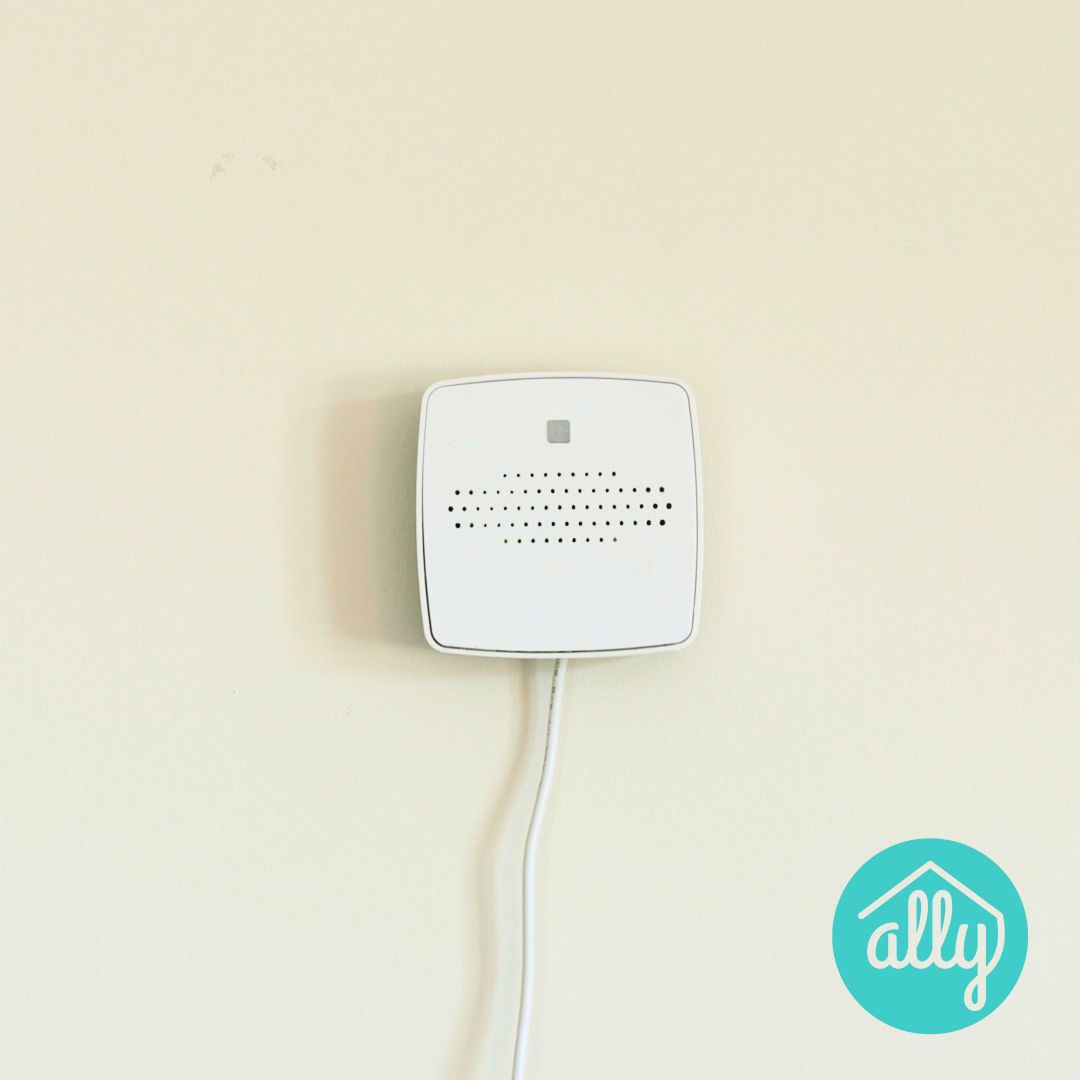
Homes used Ally’s AI resident monitoring technology to support night-time care by responding to real signs of need, rather than relying on routine, disruptive checks.
Why this matters
Night-time risk in care homes rarely starts with a single incident. It often builds quietly, through restlessness, distress, or attempts to get out of bed, long before a fall or emergency occurs.
Traditional approaches rely on scheduled night rounds, which can interrupt sleep while still missing the moments that matter most. By contrast, Ally’s system uses discreet sound and motion sensing to identify meaningful changes overnight and alert care teams only when intervention is genuinely needed.
This insight-led approach supports earlier, more targeted responses, helping teams reduce escalation while protecting residents’ rest and dignity.
Independent reporting on the pilot
The findings from the Dorset pilot have been published by Dorset Council and reported independently in the local press:
Together, these reports highlight the scale of improvement seen when care teams are supported to act on insight, not routine.
Supporting better outcomes, without compromising dignity
Alongside reductions in night-time risk and escalation, the pilot also highlighted wider benefits for residents and staff. Many homes reduced scheduled night checks, while reporting calmer nights and improved sleep quality.
Protecting sleep isn’t a “nice to have”. It plays a fundamental role in resilience, recovery and wellbeing, while easing avoidable pressure on staff and the wider health system.
Thomas Tredinnick, CEO and Co-Founder of Ally Cares, said:
“We’re genuinely delighted with the impact this project has had. What the Dorset pilot reinforces is something we see time and again — safer nights don’t come from checking more often, but from understanding what’s actually happening.
When teams respond to real signs of need rather than routine rounds, outcomes improve across the board. Residents sleep better, staff work more confidently, and avoidable pressure on the health system is reduced.”
A full report on the pilot is expected to be published by the NHS shortly.